Best Plants for Gold Coast Gardens: A Subtropical Planting Guide
By Bryce Roadley
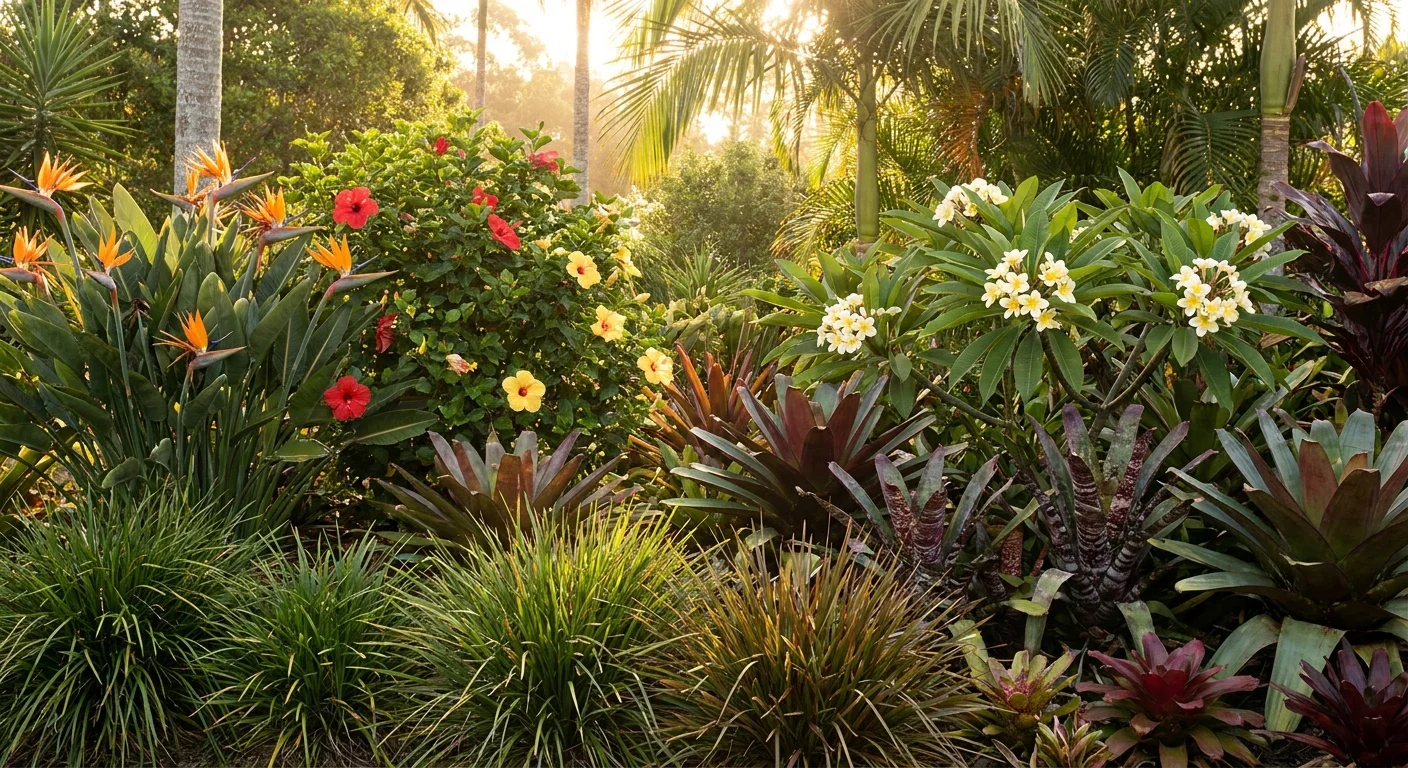
Choosing Plants That Actually Thrive Here
The Gold Coast sits in a humid subtropical climate zone. We get hot, wet summers, mild dry winters, and the occasional battering from storms and salt-laden winds near the coast. Not every plant handles these conditions well. The ones that do can transform your garden into something genuinely impressive with minimal ongoing effort.
This guide covers the best plants for Gold Coast garden beds and designs, whether you want low-maintenance natives, colourful flowering shrubs, or dense screening plants.
Native Plants for Gold Coast Gardens
Native plants are adapted to local conditions, which means less watering, less fertilising, and fewer pest problems. They also support local wildlife, including birds, butterflies, and beneficial insects.
Ground Covers and Low Growers
- Dianella caerulea (Blue Flax Lily): Hardy, clumping plant with blue berries. Excellent for garden bed borders. Handles full sun and part shade.
- Lomandra longifolia (Spiny-headed Mat Rush): Tough as nails. Tolerates drought, poor soil, and neglect. Great for mass planting along fence lines.
- Myoporum parvifolium (Creeping Boobialla): Fast-spreading ground cover with small white flowers. Ideal for suppressing weeds on slopes.
Mid-Height Shrubs
- Westringia fruticosa (Coastal Rosemary): Compact, grey-green shrub. Handles salt spray and wind. Perfect for hedging near the coast.
- Callistemon viminalis ‘Little John’ (Dwarf Bottlebrush): Red flowers attract birds. Grows to about one metre. Low water needs once established.
- Syzygium australe ‘Tiny Trev’ (Dwarf Lilly Pilly): Dense, compact growth. Bronze new growth. Excellent for low hedges and borders.
Screening and Tall Plants
- Syzygium australe (Brush Cherry / Lilly Pilly): The go-to screening plant on the Gold Coast. Fast-growing, dense, and responds well to pruning. Grows to 5 metres or more if left unpruned.
- Waterhousia floribunda (Weeping Lilly Pilly): Graceful, weeping habit. Makes a beautiful specimen tree or screen. Best in larger gardens.
- Banksia integrifolia (Coast Banksia): Attracts lorikeets and honeyeaters. Tolerates sandy soil and coastal conditions.
Subtropical Favourites
These non-native plants have proven themselves in Gold Coast gardens over decades.
Colour and Flowers
- Plumbago auriculata: Cascading blue flowers nearly year-round. Tough, fast-growing, and drought-tolerant. Perfect for softening fence lines.
- Bougainvillea: Spectacular colour in hot, dry conditions. Available in pink, purple, orange, red, and white. Needs full sun and well-drained soil.
- Heliconia: Tropical showstoppers for sheltered, shaded spots. Need regular water but reward you with dramatic flowers.
- Gardenias: Glossy leaves and fragrant white flowers. Prefer morning sun and afternoon shade. Feed regularly with an acid-based fertiliser.
Foliage and Texture
- Philodendron ‘Xanadu’: Lush, deeply lobed leaves. Thrives in shade and part sun. Low maintenance once established.
- Strelitzia nicolai (Giant Bird of Paradise): Bold, architectural plant. Creates instant tropical character. Grows quickly to 4 to 6 metres.
- Cordyline fruticosa: Colourful foliage in reds, pinks, and greens. Good for adding vertical interest to garden beds.
Planting Tips for the Gold Coast Climate
Getting the right plants is only half the equation. How you plant and maintain them matters just as much.
Soil Preparation
Gold Coast soil varies enormously. Coastal areas often have sandy soil that drains too fast and holds few nutrients. Hinterland areas may have heavy clay that stays waterlogged. Before planting, improve your soil with:
- Compost: Adds organic matter, improves structure, and feeds beneficial microbes.
- Sugar cane mulch or wood chip mulch: Keeps roots cool, retains moisture, and breaks down slowly to feed the soil.
- Gypsum: Helps break up heavy clay soil without changing pH.
Proper garden bed preparation makes the difference between plants that survive and plants that thrive.
Mulching
Mulch is essential on the Gold Coast. It reduces watering by up to 70 percent, keeps roots cool during summer, suppresses weeds, and adds nutrients as it decomposes. Apply mulch 75 to 100 millimetres deep, keeping it away from plant stems to prevent collar rot.
Watering
Even drought-tolerant plants need regular watering during their first Gold Coast summer. Water deeply two to three times per week rather than a light daily sprinkle. Deep watering encourages roots to grow down, making plants more resilient during dry spells.
Once established (typically after one to two growing seasons), most native plants need little supplementary watering outside of prolonged dry periods.
Dealing with Storms
The Gold Coast’s storm season runs from November to March. Strong winds, heavy rain, and occasional hail can damage gardens. To minimise damage:
- Stake tall, newly planted trees until their roots establish.
- Avoid brittle species in exposed positions.
- Plant dense screening shrubs as windbreaks to protect more delicate plants behind them.
For more on storm preparation, read our guide to protecting your fence and garden during storm season.
Planning Your Garden Design
The best Gold Coast gardens combine the right plants with thoughtful layout. Consider sun exposure (which areas get morning sun versus hot afternoon sun), sight lines from inside the house, and how you actually use your outdoor space.
A professional garden design for your Gold Coast property considers all of these factors and creates a planting plan that looks good from day one and improves with age.
Want expert help with your garden? Contact Green Fingers Property Care for a consultation on garden design, planting, and garden bed construction across the Gold Coast.
Related Articles:
Need Help with Your Project?
Get a free, no-obligation quote for your landscaping or fencing project on the Gold Coast.
Get a Free Quote